
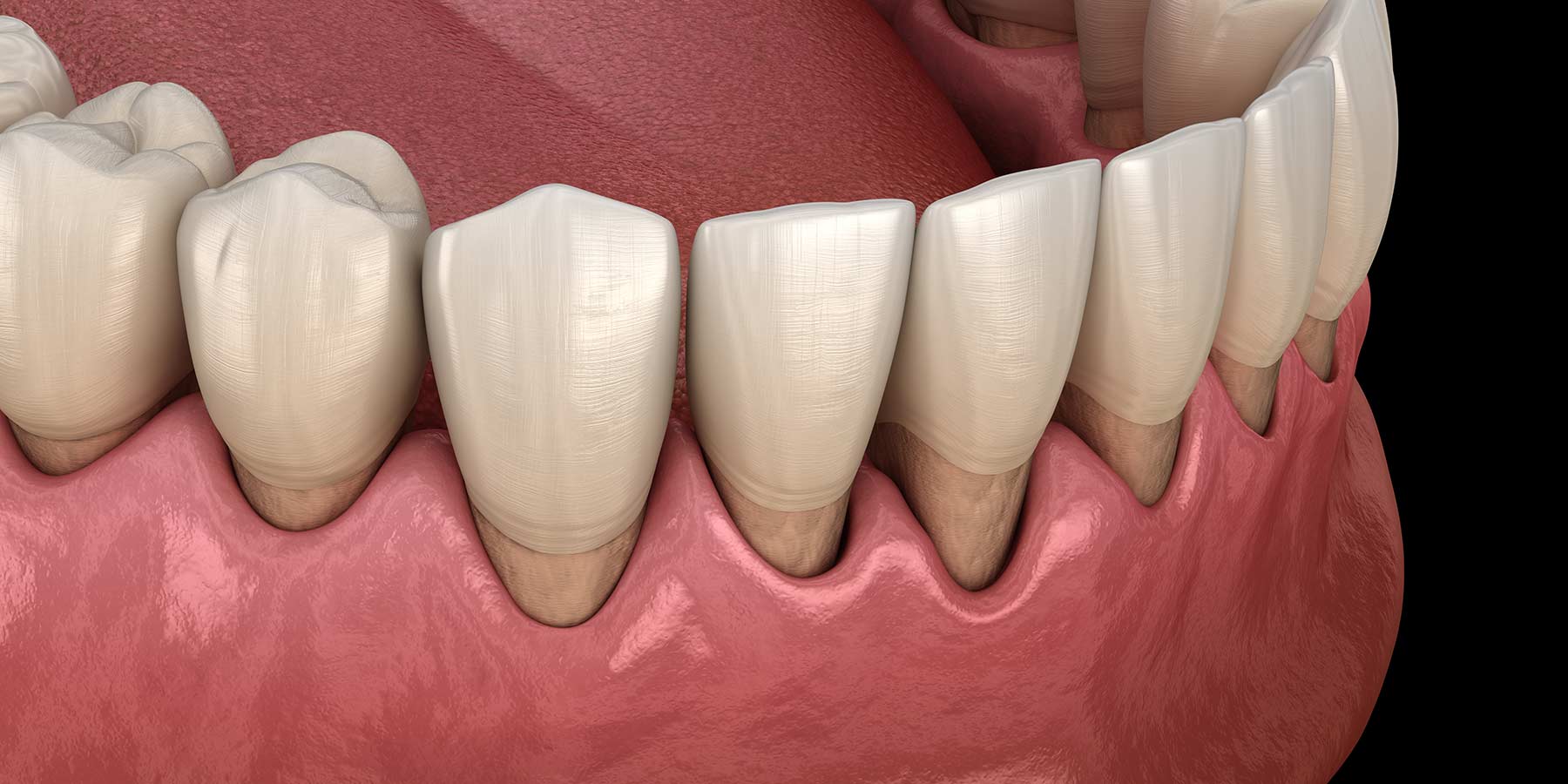
A periodontist specializes in caring for gums and the jawbone that holds the teeth in place. In contrast, while a general dentist provides routine care such as fillings and simple gum treatments, a periodontist deals with more complex issues that can lead to loose teeth.
Periodontists must complete further years of education after dental school. The specialized education largely revolves around gum disease diagnosis, bone loss management, and gum surgery procedures around teeth and implants. Periodontists also engage with regular dentists, particularly where gum disease reaches beyond what can be dealt with using regular cleaning procedures.
Patients are normally referred to periodontists when their gum disease has advanced, or when the teeth become loose, gums bleed frequently, or when infections recur. Their mission is to help prevent any further damage before the loss of the teeth.
Conditions a Periodontist Can Treat
The predominant condition treated by a periodontist is periodontitis. Periodontitis is a severe form of gum disease that has developed due to the accumulation of plaque and bacterial formation under the gum line. The gum disease progresses when the gum tissue pulls back and separates from the teeth and the bone begins to decay. This leads to the loss of teeth.
Periodontists are also known to treat cases of receding gums. This condition results in gums wearing away, thus exposing the roots of the teeth. This may lead to sensitivity, decay, or changes in the smile. In some instances, gum grafting might be necessary.
Other conditions include bone loss surrounding the teeth, gum infections, and complications involving dental implants. Periodontists are skilled to handle inflammation, infection, and reconstruction, when possible. Additionally, they assist patients with other medical conditions such as diabetes, which complicates gum disease.
Periodontal Treatments
Depending on the stage of the condition, treatment can vary. In the earlier stages of the condition, the periodontist may apply scaling and root planing. This helps rid the area of any bacteria and smoothes out the roots of the teeth, allowing the gums to heal and reattach.
If the disease is more advanced, there may be a need for minor surgery. This may involve pulling back the gums in order to properly clean the infected area. Then the gums are put back into place. Bone grafting can be used to rebuild where the bone has been lost.
Periodontists are also responsible for implanting dental implants. This entails evaluating bone density, implantation, and post-implant healing. Periodontists are also well positioned to deal with difficult cases of dental implants because, for a dental implant to succeed, a person needs healthy bone and gums.
When to Visit a Periodontist
People often take too long before consulting a gum specialist. Sometimes people may take gum bleeding as normal, but it may be an indication of disease. Others may experience bad breath, gum swelling, pain when chewing, or teeth shifting due to gum disease.
A referral may also occur if the treatment for gums by a general dentist fails to improve symptoms. Specialists in the field of periodontics possess the ability to diagnose and observe the remaining levels of bone structures and the severity of the disease.
Those looking into dental implants and individuals who may have had teeth fall out due to gum disease may want to consider visiting a periodontist early on. Preventative measures can help prevent problems down the line and save existing teeth.
How Periodontal Care Protects Overall Long-Term Health
Healthful gums do not merely aid in supporting healthy teeth. Researchers already establish connections between gum infections and conditions like heart disease, diabetes, and other conditions related to inflammation or infections. Although research is ongoing, gum disease management has been generally recognized as part of total healthcare.
The treatment of periodontals is a procedure that tries to control infections rather than a one time solution. The majority of people suffering from this condition may need regular visits so that bacterial counts can be maintained at lower levels. These visits may be conducted every few months. A visit to a periodontist may also be helpful for retaining natural teeth, relieving pain, and preventing expensive dental surgery at a later stage. The problem may be addressed quite easily at first. However, once there is extensive destruction to gums and bone tissue, little can be done. Contact us for best periodontist in Kiama.